
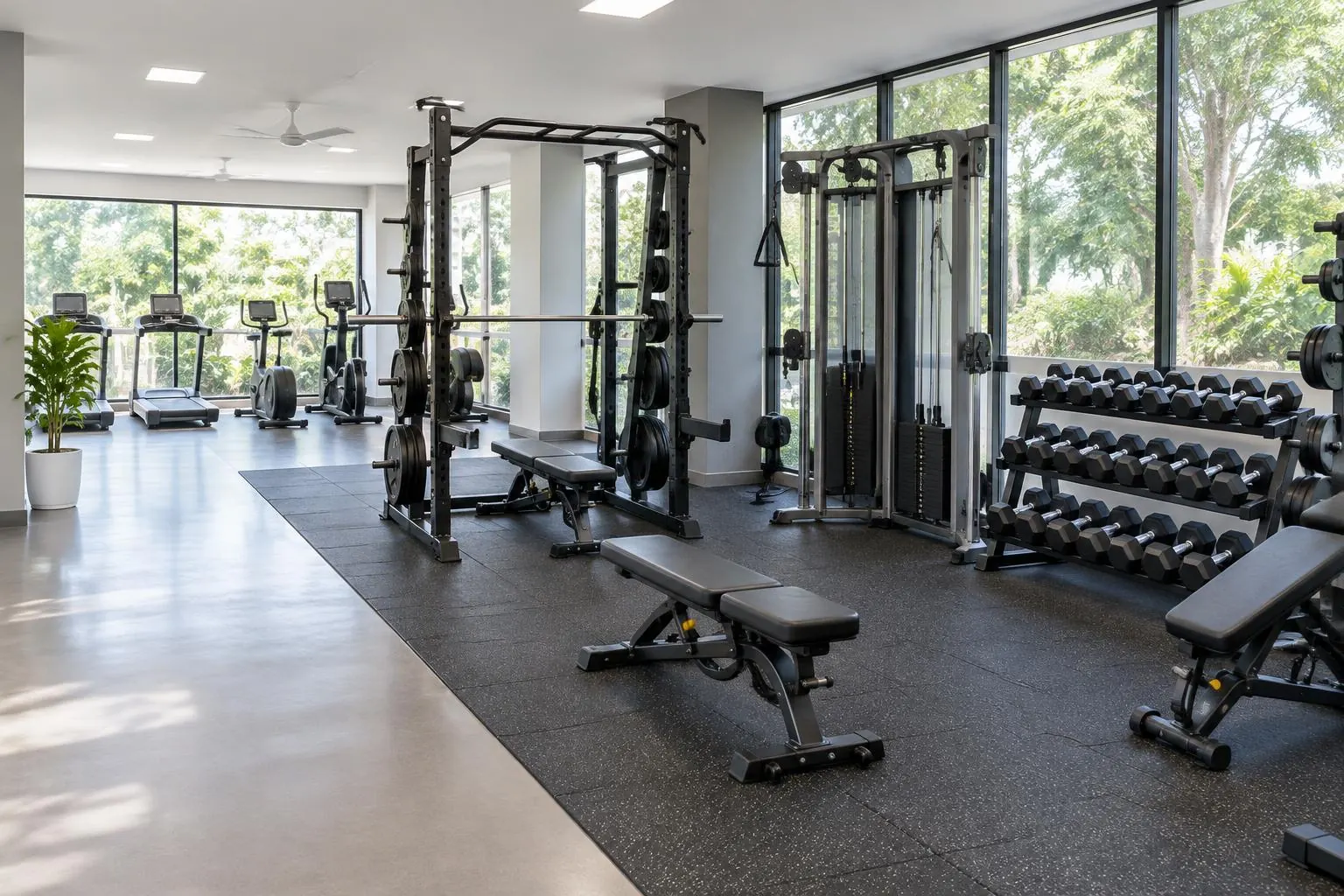
Key takeaways
Paying members, not database size
Retention, fee mix, collection success and service obligations matter more than an unqualified membership total.
Pay for all necessary owner work
Normalise earnings after realistic management and coaching replacement costs; drawings are not automatically an expense add-back.
Tenure and transfer support value
Lease, franchise, member and payment arrangements determine which earnings and rights can continue.
Equipment earns money—and wears out
Consider ownership, condition and renewal needs; do not add operating equipment twice to an earnings-based value.
Operating value is not owner proceeds
Cash, financing debt, working capital, prepaid obligations and transaction terms need consistent treatment.
Franchise rights influence business value
A recognised brand does not guarantee transferable value. Franchise tenure, royalties, transfer approval, renewal rights and compulsory expenditure can materially affect sustainable earnings and the price a buyer can justify.
Executive summary
A gym valuation examines the business or ownership interest at a specified date, for an agreed purpose and basis of value. Buying a gym, selling it, transferring shares and obtaining tax advice are different instructions. The right report depends on that purpose and who will rely on it—not simply the gym’s turnover.
Three questions anchor the analysis: what earnings are maintainable after paying for all necessary work; what risks threaten those earnings; and what assets, liabilities and contractual rights are actually included? Strong membership growth cannot compensate indefinitely for underpriced subscriptions, an expiring lease or an owner doing unpaid management and coaching.
Use this guide to organise evidence and ask better questions. It is educational guidance, not a valuation of your gym, legal advice or a recommendation to buy or sell. The worked example is entirely fictional. References explain relevant Australian obligations; a transaction still needs advice on its particular contracts and jurisdiction.
Start with the gym business model
Not every gym earns money in the same way. A low-staffed access club and a coach-led studio may both show recurring subscriptions, but their labour requirements, member loyalty and capacity constraints can differ substantially.
| Model | Main earnings question | Evidence to examine |
|---|---|---|
| Independent membership gym | Can membership revenue support rent, staffing and equipment renewal? | Paying-member history, fee mix, payroll, access usage and maintenance records |
| 24-hour access club | Are lean staffing costs sustainable without weakening safety or service? | Access controls, security arrangements, staffed hours, incidents and equipment uptime |
| Franchise gym | What profit remains after the full system cost? | Franchise agreement, royalties, marketing levies, required suppliers and refurbishment obligations |
| Personal-training studio | Does demand belong to the business or particular trainers? | Trainer contracts, client concentration, session utilisation and owner replacement requirements |
| Boutique or group-fitness studio | Is class capacity genuinely profitable? | Timetables, attendance, instructor costs, waitlists and package redemptions |
| Mixed gym and wellness operation | Which activities generate the earnings and liabilities? | Separate revenue/cost streams, room licences, contractor arrangements and prepaid services |
Separate activities before comparing businesses. Trainer rent received by a gym is not equivalent to the gross fees an employed trainer earns from sessions. Revenue from supplements or short challenges may be less recurring than ordinary memberships. A club with a pool, sauna or recovery facilities may face quite different operating and renewal costs.
If the owner also owns the premises, distinguish the operating gym from the property. A business valuation should recognise an appropriate occupancy cost; it does not automatically value the building. Property ownership, fit-out rights and any separately held assets need an explicit scope.
How a gym is valued
For a profitable established gym, maintainable earnings can be an important starting point. The analysis adjusts historical results to a sustainable operating basis and considers evidence for an appropriate capitalisation rate or earnings multiple. A multiple is not chosen merely because another listing describes itself as a gym.
Market comparisons need reliable information about completed transactions, not just asking prices. Consider business model, size, location economics, lease security, owner involvement, equipment condition and the actual earnings definition. An owner-benefit or PEBITDA figure is not interchangeable with EBITDA after a commercial manager’s wage. The business valuation methods guide explains how approaches fit the evidence.
A discounted cash flow approach may help where credible forecasts and their supporting assumptions are available. Membership growth, churn, pricing, staffing and capital expenditure must form a coherent forecast. A spreadsheet projecting perpetual growth does not establish that the gym can achieve it, especially where floor space or peak-hour demand limits capacity.
Asset-based analysis becomes particularly relevant when sustainable earnings are weak, closure is plausible or the business owns material assets. Equipment values must reflect condition, ownership and the applicable premise of value. Orderly ongoing use and a distressed clearance sale are different situations. Removal costs, lease obligations and creditor claims can change what remains for owners.
Do not add the equipment twice. Where a going-concern earnings value already includes the equipment needed to generate those earnings, adding the same equipment’s resale value on top generally double counts it. Separately excluded surplus assets require separate consideration.
Enterprise value describes the operating business on an identified financing and working-capital basis. Equity value then reflects the relevant cash, debt and other adjustments. A sale price may differ because of negotiated working capital, included assets, deferred payments, warranties or buyer-specific benefits. For a minority shareholding, rights and restrictions also matter; a percentage of whole-company value is not automatically the value of that interest.
Establish the gym’s real earnings
Read several years of results alongside monthly management accounts and recent performance. Financial years can hide a downturn following a competitor opening, an unusual January promotion or the end of a discounted membership campaign. Reconcile membership-system revenue to accounting records, payment-provider settlements and bank receipts, allowing for GST, refunds and timing differences.
Pay for the work the owner performs
List the owner’s actual roles: club management, sales, reception, coaching, cleaning, marketing and administration. Replace necessary work at a supportable commercial cost, including relevant employment on-costs. Do not reverse owner remuneration and then forget the replacement wage. Conversely, do not deduct a second replacement wage where the accounts already include the appropriate cost.
Drawings and dividends are not automatically operating expenses. A personal payment can only be added back to earnings if it was deducted in the reported earnings being adjusted and is genuinely non-operating. The EBITDA preparation guide provides the broader reconciliation framework.
Distinguish unusual costs from recurring requirements
An isolated legal cost may be non-recurring, but repeated recruitment, marketing, repairs and staff training are normal business activities. Removing them because they vary each year overstates sustainable profit. Rent paid to a related party should be assessed against a supportable occupancy assumption, with the actual lease and its obligations considered.
Equipment finance needs consistent treatment. Interest is excluded from EBITDA, but ordinary equipment hire or operating rental can be a genuine operating expense. If accounts contain right-of-use lease accounting, reconcile the earnings and valuation basis explicitly. Do not add back lease charges, capitalise the uplift and ignore the corresponding lease obligation.
EBITDA is not spendable cash
Gym equipment wears out. Maintenance preserves operation; replacement capital expenditure funds renewal. EBITDA excludes depreciation but that does not mean renewal is free. Review asset ages, service history and the likely replacement cycle. Consider cash-flow requirements when interpreting a multiple or forecast, rather than mechanically treating a capital purchase as an EBITDA expense.
Also examine working capital, tax obligations and the cash needed to serve prepaid memberships. A profitable gym can still be underfunded if it has spent cash collected for services it must deliver in future months.
Membership quality: beyond the headline count
Start by defining a paying member. Separate active recurring payers, prepaid members, frozen memberships, arrears, complimentary access, trial users and cancelled accounts still sitting in the system. The customer database is not itself evidence of current revenue.
| Measure | Useful definition | Why it affects the analysis |
|---|---|---|
| Paying members | Members with current enforceable payments or unexpired paid entitlements, separated by type | Prevents dormant and complimentary records inflating the headline |
| Realised revenue per member | Recognised membership revenue divided by the consistently defined member base | Reveals discounting, fee mix and differences between advertised and collected fees |
| Cohort retention | Original joining cohort still retained at specified intervals | Distinguishes a durable member base from frequent replacement of departures |
| Monthly churn | Departures from the opening cohort divided by that opening cohort | Makes cancellation pressure visible without counting new joins as retained members |
| Collection success | Amount successfully collected relative to amounts due on a consistent basis | Identifies payment failures, arrears and weak cash conversion |
| Acquisition cost | Attributable acquisition spending divided by the members acquired | Tests whether growth creates profit after marketing and joining incentives |
| Capacity utilisation | Attendance or bookings compared with usable slots or facility capacity | Exposes peak-hour constraints that an average daily count may conceal |
Keep definitions consistent across periods. Revenue per member needs particular care when weekly charges, monthly reporting and annual prepaid packages coexist. Use recognised revenue rather than simply dividing cash receipts by the database total. For cohort analysis, distinguish voluntary cancellation from administrative clean-ups and temporary freezes.
In a fictional month, a gym starts with 900 paying members, loses 36 from that opening cohort and gains 48 new members. Churn is 36 ÷ 900 = 4%, while the closing count is 912. The business grew by 12 members, yet still had to replace 36 departures. Growth alone conceals that retention task. Do not multiply one month’s churn by twelve and label it measured annual retention.
Check whether retention depends on a particular trainer, the owner or one corporate membership arrangement. Review concentration by revenue, not just names. Ask what happens after promotional prices expire and whether higher fees have already been tested. Waitlists only support growth where the gym can deliver extra capacity profitably.
A contract is not guaranteed revenue. Cancellation rights, payment failure, freezes and member behaviour still affect cash flow. Assess what is realistically collectible and sustainable, not just the total future instalments displayed in the software.
Lease security, location and fit-out
The premises are often essential to the gym’s earnings. Assess the remaining term, options, rent reviews, permitted use, operating-hour restrictions, outgoings, landlord consent and any change-of-control provisions. An option is not the same as a fresh lease negotiated on unknown future terms; examine its conditions and whether it can be exercised by the relevant party.
A strong location combines access, parking or transport, catchment demand and suitable facilities, but proximity to new residential development does not automatically create paying members. Consider local competition, alternative fitness formats and whether nearby employers or residents actually support the gym’s current revenue. Do not claim a protected territory unless a contractual right supports it.
Fit-out deserves its own review. Flooring, showers, ventilation, acoustic treatment and electrical works may be costly to recreate but may not be removable or saleable. Identify landlord-owned fixtures, tenant improvements, approvals and end-of-lease make-good obligations. Original fit-out expenditure is not a direct measure of current business value.
If continued occupancy is uncertain, test the effect on earnings and the valuation premise. A relocation scenario needs realistic downtime, member attrition, new fit-out costs and permissions. It should not assume that the full membership base follows the business without interruption. Obtain appropriate legal and property advice on the lease; a business valuation does not determine legal transfer rights.
Equipment and the rights a buyer receives
Create an asset register identifying equipment, age, condition, ownership, location, service records and any finance. Inspect material assets where the agreed work requires it. Book depreciation can differ from useful life and market value: heavily depreciated equipment may still operate, while a newer machine can need expensive repair.
Distinguish owned assets from leased, hired or supplier-owned equipment. Obtain finance payout information and evidence of any releases required for settlement. Appropriate PPSR searches can reveal registered security interests; the correct search depends on the asset and seller details. The register is not a certificate of ownership, and a search alone does not replace transaction advice. The PPSR equipment case study illustrates the risk of buying encumbered machinery.
Membership contracts, direct-debit arrangements, booking software, domains, social accounts and supplier contracts may each have different transfer requirements. An asset sale changes the supplier of services; a share sale may retain the entity but trigger contractual change-of-control clauses. Do not assume that transferring a member list transfers every contract or payment mandate.
For franchise-specific operating rights, costs and approval requirements, see Franchise Gym Considerations: What Buyers and Owners Need to Know below.
Franchise Gym Considerations: What Buyers and Owners Need to Know
A franchise gym combines an established business operation with contractual rights to trade under a recognised brand. The brand, operating systems and marketing support may provide commercial advantages, but these benefits generally come with continuing fees, contractual restrictions and obligations that independent gyms may not face.
For franchise gym valuation purposes, the central question is not simply what the franchise brand is worth. It is what sustainable earnings and transferable rights remain available to the owner under the actual franchise and lease arrangements.
Franchise fees and their effect on maintainable earnings
Franchise gyms may incur royalties, marketing contributions, technology fees, training costs, mandatory supplier charges and other recurring obligations. These costs must be understood before determining maintainable earnings.
A gym producing attractive revenue may nevertheless generate modest earnings once all franchise, occupancy, staffing and equipment-related costs are recognised.
Valuation consideration: Assess earnings after the full ongoing cost of operating under the franchise agreement. Avoid comparing franchise and independent gym earnings without adjusting for material differences in their operating models.
Remaining franchise term and renewal rights
The remaining franchise agreement term can significantly influence business value. A profitable gym with only a short period remaining under its franchise agreement may present greater risk than an otherwise comparable operation with secure longer-term operating rights. Importantly, renewal is not automatically guaranteed.
The valuer should consider:
- Remaining franchise term and available renewal arrangements.
- Conditions and costs associated with renewal.
- Compatibility between franchise tenure and premises lease tenure.
- Consequences if the agreement is not renewed.
- Whether the assumed future earnings period is supported by enforceable operating rights.
Valuation consideration: Future earnings assumptions must be consistent with the actual contractual rights available to the business. A renewal should not be assumed without appropriate support.
Franchisor approval and business transfers
Purchasing an existing franchise typically introduces an additional approval process involving the franchisor. The ACCC Franchising Code of Conduct guidance explains the regulatory framework. The ACCC selling or transferring a franchise agreement guidance explains consent requirements: a franchisor cannot unreasonably withhold consent where the Code’s transfer provisions apply.
The relevant pre-entry documents must ordinarily be supplied at least 14 days before the applicable franchise agreement is entered into or the franchisor approves the transfer. The ACCC information and document obligations guidance describes disclosure and waiting-period requirements, including limited circumstances in which eligible franchisees may opt out of receiving particular documents. Prospective purchasers should confirm the applicable requirements and have the agreement reviewed by a solicitor experienced in franchising.
The ACCC franchise agreement guidance explains that the new code commenced on 1 April 2025, with some rules applying from 1 November 2025 and application depending on when agreements are entered into, transferred, renewed or extended. Obtain advice on the actual agreement rather than assuming all older and newer contracts have identical protections.
Valuation consideration: Transfer restrictions, approval requirements, associated costs and contractual conditions may affect marketability, timing and the practical value of the rights being acquired.
Compulsory refurbishment and equipment replacement
Some franchise agreements require periodic facility upgrades, equipment replacement, changes to signage, updated technology or compliance with evolving brand standards. These obligations can involve substantial expenditure that is not apparent from historical profit figures.
Assess:
- Required and anticipated refurbishment expenditure.
- Outstanding equipment finance commitments.
- Technology and access-control system upgrades.
- Brand-mandated fit-out or equipment standards.
- Who bears the cost of any works required as a condition of transfer or renewal.
Valuation consideration: Significant future capital expenditure must be appropriately reflected when assessing business value and future cash flows, without double-counting its effect.
Membership systems and continuing customer relationships
A franchise gym’s membership base may be supported by centrally administered platforms, direct-debit arrangements and national marketing activities. However, the buyer needs to establish which commercial rights and customer relationships can actually continue after the transaction.
Relevant considerations include:
- Active paying memberships and historical retention.
- Membership fee structures and realised collections.
- Ownership or control of customer information.
- Membership and payment arrangements on transfer.
- Centralised discounts, marketing campaigns and pricing restrictions.
Valuation consideration: A large membership database does not necessarily translate into sustainable, transferable earnings.
Franchise gym valuation: scope and advice
These considerations inform valuation assumptions; they do not determine legal rights or certify franchise compliance. Obtain independent legal advice on the agreement and specialist tax or financial advice where required. A valuation is not an investment recommendation.
Key Takeaways — Franchise Gym Valuations
Value the earnings, not the brand name
A recognisable franchise brand may support the business, but value must be grounded in sustainable earnings and transferable contractual rights.
Franchise and lease tenure must align
Short or uncertain operating rights can materially affect future earnings and the value a purchaser can justify.
Understand the full franchise cost
Royalties, marketing levies, technology fees and compulsory expenditure all influence profitability and business value.
Confirm what the buyer actually receives
Franchisor consent, equipment ownership, membership arrangements and transfer conditions may affect the transaction.
Historical profitability is only the starting point
Consider future refurbishment, equipment replacement, membership trends and all material risks before establishing value.
Australian obligations that can affect gym value
Regulatory issues matter when they change sustainable costs, create potential liabilities or restrict transfer. This section identifies questions for qualified advisers; it is not a compliance certification. Apply the requirements relevant to the particular gym, services and jurisdiction.
Member contracts and cancellation rights
Australian Consumer Law protections cannot simply be removed by a membership contract. Review standard-form terms, cancellation procedures, fee changes, renewal clauses and claims made during sales. Potentially unfair terms require legal review; do not count questionable cancellation charges as certain earnings. The ACCC contracts guidance explains the underlying protections.
State-specific fitness rules can add obligations. Queensland’s guidance specifies a 48-hour cooling-off period for new agreements, with commencement rules for pre-opening sales. Western Australian guidance specifies a seven-day cooling-off period and limits prepaid membership agreements to twelve months’ payment in advance. These are jurisdiction-specific examples, not one Australia-wide cooling-off rule. See Queensland fitness membership guidance and Western Australian fitness guidance. Check other applicable jurisdictions separately rather than importing either example nationwide.
In Victoria, Consumer Affairs Victoria — Health and fitness centres: unfair contract terms identifies concerns involving membership cancellation provisions, automatic renewal arrangements and unilateral contract changes under the Australian Consumer Law. A provision is not automatically unlawful merely because it concerns one of these subjects: whether a term is unfair depends on the applicable legal test, the contract as a whole and the circumstances, with a court or tribunal determining unfairness. This Victorian guidance concerns national consumer-law protections; it does not create a third nationwide cooling-off period.
Prepaid memberships and unredeemed packages
Cash received upfront comes with a continuing service obligation. Reconcile the unearned membership balance, class credits, training packages, refunds and any restrictions on redemption. Agree who receives the related cash and who performs the remaining services after a sale.
The accounting balance is not automatically a dollar-for-dollar debt deduction from enterprise value. Its treatment depends on the earnings model, cost to fulfil, normal working-capital assumptions and sale terms. Deducting it as debt after already incorporating the same obligation elsewhere can double count the burden. Conversely, ignoring it because the cash has already been spent can overstate what a buyer receives.
Employees and trainer arrangements
Fair Work’s guidance states that the Fitness Award covers fitness-industry employers and employees within its classifications, including some personal trainers, receptionists and fitness-class teachers, while identifying exclusions. The correct award and classification depend on actual duties and coverage; do not assume every worker on site has identical entitlements. Review pay, rostering, penalties, leave and superannuation with appropriate advice. See the Fitness Award coverage summary.
A trainer described as a contractor is not necessarily one for every legal or tax purpose. Assess the actual arrangement, control, business independence and relevant statutory tests. Employee/contractor status, superannuation and payroll tax can involve different tests. Where a possible shortfall exists, distinguish the correction to future operating costs from any historic liability, and avoid counting the same amount twice.
Privacy, safety and service continuity
The OAIC states that organisations providing a health service and holding health information are covered by the Privacy Act even if they are small businesses, and lists gyms among the examples. A gym collecting injury histories or health assessments should not assume it is exempt simply because its turnover is small. Establish applicable obligations and how member information may lawfully be used or disclosed during due diligence and transfer. Begin with aggregated or de-identified membership evidence where practicable; see OAIC health-service guidance.
Review incident history, insurance, equipment maintenance, emergency procedures, accessibility and required premises approvals with relevant specialists. A 24-hour access system is not a substitute for a documented safety framework. Unresolved issues may affect operating costs, insurability and continuity. Avoid asserting a universal gym licence, mandatory qualification or safety rule where applicability has not been established.
Fictional worked example: profit is not owner value
Harbour Strength is an invented independent gym used solely to explain the arithmetic. It is not an IBV client, a completed transaction or evidence of an Australian gym multiple. All operating amounts below are GST-exclusive. The assumption is a continuing business with normal working capital included, a workable lease and the necessary operating equipment included in enterprise value.
Reconcile sustainable earnings
The owner manages the gym and coaches several sessions. Reported EBITDA includes only $35,000 of owner remuneration. Evidence in this fictional scenario supports a total replacement employment cost of $95,000. A one-off legal cost is removed, while market rent and omitted recurring maintenance are recognised.
| Reconciliation | Adjustment | Reason |
|---|---|---|
| Reported EBITDA | $210,000 | Starting point, not yet normalised |
| Reverse owner remuneration already expensed | $35,000 | Remove the recorded owner cost before replacing it |
| Deduct replacement employment cost | −$95,000 | Pay for the necessary work, including assumed on-costs |
| Reverse isolated legal cost | $12,000 | Assumed genuinely non-recurring and already expensed |
| Recognise higher sustainable rent | −$18,000 | Additional annual occupancy cost in this scenario |
| Recognise omitted recurring maintenance | −$9,000 | Necessary annual operating cost |
| Maintainable EBITDA | $135,000 | Sustainable earnings on these assumptions |
Maintainable EBITDA is $135,000, not the reported $210,000. This reconciliation does not deduct replacement capital expenditure as though it were maintenance. Equipment renewal still matters to cash flow and the supportability of the valuation assumption.
Bridge enterprise value to equity value
Assume 3.0 times maintainable EBITDA purely to demonstrate multiplication. This is not a recommended multiple, an industry average or a valuation conclusion. A real engagement would need evidence for its selected rate and an appropriate treatment of reinvestment and risk.
| Bridge | Amount | Treatment |
|---|---|---|
| Illustrative enterprise indication: $135,000 × 3.0 | $405,000 | Necessary operating equipment and normal working capital included |
| Add excluded surplus unrestricted cash | $25,000 | Assumed genuinely surplus, not cash required for operations |
| Deduct financing debt | −$140,000 | Includes the fictional equipment-finance balance; deduct once |
| Illustrative whole-company equity indication | $290,000 | Before tax, transaction costs and any further supported adjustments |
The equipment used in the business is not added again. The financed equipment is included in the operating asset base; its financing debt is deducted once in the bridge. The scenario assumes no separate abnormal prepaid-membership or working-capital adjustment. If the facts differ, revise the assumptions and bridge rather than quietly introducing another deduction.
At the same purely assumed 3.0 factor, using unadjusted EBITDA would produce $630,000 enterprise value—$225,000 above the reconciled illustration. That difference shows why defining earnings matters. It does not establish the real value of any gym. A short lease, weakening retention or a required refurbishment could change both the earnings outlook and the appropriate valuation approach.
Preparing for your gym valuation
Prepare a coherent evidence pack, not just an annual profit-and-loss statement. Explain gaps rather than replacing missing records with optimistic assumptions. For a retrospective valuation, use information relevant to the instructed date and distinguish later developments from what was then known or reasonably knowable.
| Evidence area | What to provide | What it helps resolve |
|---|---|---|
| Purpose and ownership | Reason for valuation, valuation date, entity structure, shares or assets involved and intended users | Scope, basis of value and authorised reliance |
| Financial records | Several years’ statements and tax records, recent monthly accounts, bank/payment reconciliations and budgets if reliable | Historical performance, current trend and normalisation |
| Member evidence | Anonymised member-type counts, recognised revenue, fees, discounts, cohorts, freezes, cancellations and arrears | Quality and sustainability of recurring earnings |
| People and operations | Rosters, role descriptions, owner hours, payroll, trainer contracts and service arrangements | Replacement costs, concentration and continuity |
| Premises | Full lease, variations, options, outgoings, fit-out records and make-good provisions | Occupancy economics and transfer assumptions |
| Assets and debt | Asset register, condition/service records, finance contracts and payout balances | Ownership, renewal requirements and equity bridge |
| Contracts and obligations | Member terms, prepayments, franchise and software agreements, material claims and insurance | Continuing obligations and transfer restrictions |
Supply only personal information genuinely required for the agreed work, through an appropriate secure process. A valuer often needs aggregate membership evidence first, not identifiable health histories. Obtain legal advice before disclosing sensitive material to a prospective buyer.
For a buyer, connect the report to the proposed transaction: assets or shares, included cash, financing liabilities, settlement working capital and who fulfils prepaid services. The buyer’s valuation guide explains that broader decision. For an owner planning a sale, evidence of retention, documented operating systems and a realistic equipment plan is more useful than cosmetic adjustments made just before listing.
Buying a Gym? Six Checks Before You Commit
- Financial performance: Obtain three years of financial statements, recent management accounts and evidence supporting any material earnings adjustments.
- Membership trends: Check active paying members, joining and cancellation patterns, collections and realised revenue per member.
- Owner replacement costs: Establish what the current owner does and what it would commercially cost to replace that work.
- Lease security: Review rent, outgoings, remaining term, options and landlord consent requirements.
- Equipment and future expenditure: Identify owned versus financed equipment, condition, upcoming refurbishment and any associated liabilities.
- Franchise obligations: Review royalties, advertising contributions, disclosure documents, transfer approval, renewal arrangements and compulsory expenditure.
Buyer takeaway: The asking price is only one part of the investment decision. Understanding sustainable earnings, contractual obligations and future capital requirements is essential to establishing whether the proposed acquisition price is commercially supportable.
Choosing the right instruction and next step
Tell the valuer why you need the valuation and who must be authorised to rely on it. A gym owner considering personal planning may have different requirements from a buyer, accountant or tax-related transfer. Identify any third-party requirements before commissioning the report; the report’s existence does not automatically make a lender, buyer or another shareholder an authorised user.
IBV’s engagement level is driven by purpose, evidence and reliance—not membership count or turnover. Confirm the scope and Fixed Professional Fee before proceeding. The published valuation fees explain the engagement options; no fee in this guide is a quotation for a particular gym.
An IBV engagement starts with an Online Letter of Engagement. For the applicable engagement, the Valuation Completion Memorandum provides the draft report and discussion of assumptions and limitations before finalisation. IBV voluntarily aligns its process and reporting with relevant APES 225 principles; that does not imply membership of a professional accounting body or independent accreditation of every report. Scope restrictions and reliance qualifications remain important.
Ask what earnings basis will be used, how owner work and equipment renewal will be treated, what lease assumptions are necessary and how enterprise value connects to the interest you own. A useful report should explain its reasoning and limitations, not merely present a multiple and a number. The valuation report guide helps you read that reasoning.
IBV provides business valuations, not broker sale appraisals, expert-witness reports or court-appointed valuations. Where legal, property, safety or tax questions affect the instruction, coordinate the appropriate specialist advice. Begin with a confidential discussion of the gym, purpose, valuation date and available records.
Source notes
References
- PPSR equipment case study
- ACCC Franchising Code of Conduct guidance
- ACCC selling or transferring a franchise agreement guidance
- ACCC information and document obligations guidance
- ACCC: The franchise agreement
- ACCC contracts guidance
- Queensland: Join a gym or fitness provider
- Western Australian fitness guidance
- Consumer Affairs Victoria — Health and fitness centres: unfair contract terms
- Fitness Award coverage summary
- OAIC: What is a health service provider?
Frequently asked questions
How is a gym valued in Australia?
An instructed valuation considers the business or ownership interest, valuation date and basis of value. For an established profitable gym, maintainable earnings and relevant market evidence can be important. Reliable cash-flow forecasts or asset-based analysis may also be appropriate. Membership quality, owner work, lease tenure, equipment needs and transfer risks influence the analysis; no universal gym multiple replaces that work.
Is there a standard EBITDA multiple for Australian gyms?
There is no single multiple established by this guide. A supportable rate needs evidence matched to the earnings definition, business model, risks and included assets. Asking prices are not completed-sale evidence, and owner-benefit earnings are not directly comparable with EBITDA after a manager’s wage. The 3.0 factor in the worked example is only an arithmetic assumption.
Can I value a gym by multiplying the number of members?
Membership count alone does not establish value. Members pay different fees, some accounts are frozen or overdue, and labour and premises costs differ. A buyer also needs evidence of retention and collection success. A per-member comparison may be a contextual cross-check if the evidence is reliable and genuinely comparable, not a substitute for analysing sustainable earnings.
How does the owner’s management or coaching work affect value?
Necessary work requires a supportable replacement cost. Reverse owner remuneration only where it was already deducted from reported earnings, then recognise the appropriate commercial cost without double counting. If members mainly attend because of the departing owner, also consider transfer and retention risk rather than assuming a replacement wage alone resolves it.
Do I add gym equipment value to an EBITDA valuation?
Not automatically. An earnings-based going-concern enterprise value normally includes the equipment necessary to produce those earnings on its stated assumptions. Adding the same assets again can double count them. Separately excluded surplus assets, financing debt and a different asset-based premise require explicit treatment.
What happens to prepaid memberships when a gym is sold?
Identify the remaining services, related cash and contractual obligations, then agree responsibility in the transaction documents. An accounting deferred-revenue balance is not automatically the exact debt-like adjustment: treatment depends on the valuation model, cost to fulfil, working-capital basis and sale terms. Avoid both ignoring the obligation and counting it twice.
Does an expiring lease reduce a gym’s value?
It can affect expected earnings, risk and the valuation premise. Consider enforceable options, rent, landlord consent, operating restrictions and make-good obligations. If relocation is necessary, assess downtime, fit-out costs and realistic member retention. Do not assume renewal or member transfer without supporting evidence.
Are franchise gyms valued differently from independent gyms?
The same core valuation principles apply, but contractual tenure and transferable rights must support the assumed earnings period. Recurring royalties, marketing levies, technology fees and compulsory supplier costs affect maintainable earnings. Required refurbishment, equipment replacement and other compulsory expenditure affect future cash flows and risk without being counted twice. Consider territory rights, renewal and transfer conditions, and alignment with premises tenure. Review the actual agreement and applicable code provisions. A brand licence does not make future membership revenue or renewal automatic.
Source: ACCC: The franchise agreement
Does a franchise agreement increase the value of a gym?
A recognised franchise system may offer brand recognition, marketing support and established operating systems. However, these potential advantages must be weighed against royalties, restrictions, renewal uncertainty and compulsory expenditure. Franchise status alone does not justify a higher valuation multiple.
What happens to a gym’s value when its franchise agreement is approaching expiry?
An approaching expiry may increase business risk where renewal is uncertain or costly. The valuation should consider remaining rights, reasonable renewal expectations, the relationship with the premises lease and whether future earnings can be sustained. The impact depends on the actual agreement and circumstances.
Do gym membership cooling-off rules apply uniformly across Australia?
No single national period is asserted here. Queensland guidance specifies 48 hours for new agreements with particular commencement rules, while Western Australian guidance specifies seven days. Review applicable local requirements and the actual services and contracts. Australian Consumer Law protections also remain relevant.
Can a small gym be covered by the Privacy Act?
Yes. The OAIC states that an organisation providing a health service and holding health information is covered even if it is a small business, and lists gyms among its examples. Do not assume low turnover provides an exemption where injury or health information is held. Seek advice on lawful use and disclosure during a sale.
What documents are needed for a gym valuation?
Start with the purpose, valuation date, ownership structure and intended users. Supply financial and current trading records, membership revenue/cohort reports, the lease, owner-role and payroll information, trainer contracts, asset and finance schedules, member terms, prepayment balances and material franchise or supplier agreements. Explain missing evidence; initially use aggregated member data where practicable.
Can a loss-making gym still have value?
Possibly, but the result cannot be inferred from its original fit-out cost or peak membership count. Examine credible turnaround evidence, transferable rights, assets and liabilities, and whether continued operation or closure is the appropriate premise. Equipment removal costs, debt and lease obligations may materially reduce what remains for owners.
Free confidential valuation call
Let’s start with what you need.
Fifteen minutes with an AVI-Certified Business Valuer to confirm your purpose, the right engagement, the Fixed Professional Fee and timing.
- Clarify the decision and valuation date.
- Discuss scope, fee and any deadline.
- Decide whether to proceed — no obligation.
Prefer to talk now? 1300 270 940